

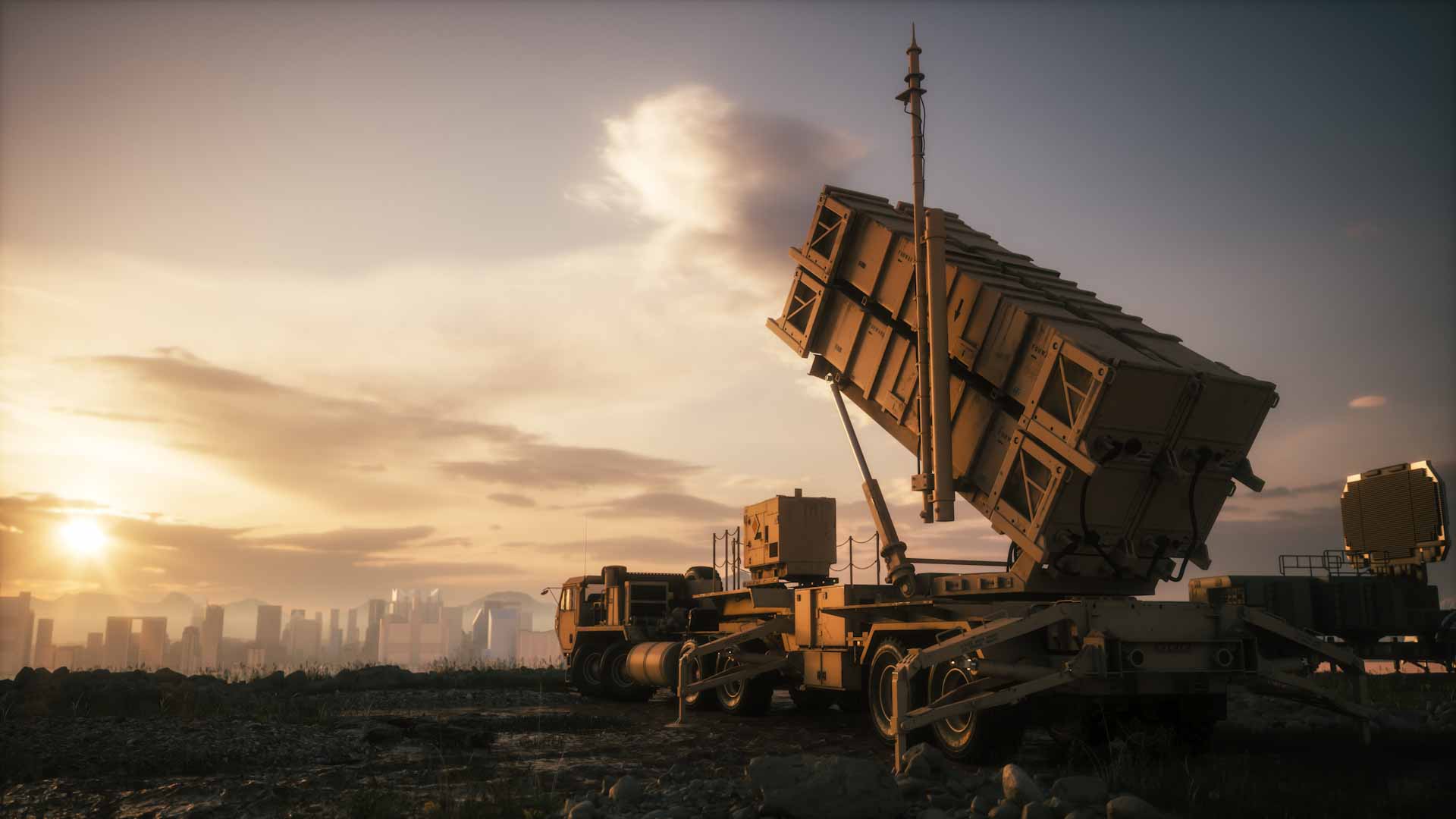
International support for Ukraine has reached record levels in 2025, with according to Al Jazeera, over €309 billion in total aid from 41 countries since Russia’s full-scale invasion in February 2022. Sweden stands out as one of the most generous donors per capita, with according to official figures, approximately SEK 83 billion in military support up to August 2025. The latest support package of SEK 15.9 billion became the largest so far.
A decisive development is, according to the Kiel Institute, that Europe is now leading over the US in procurement of new military materiel for Ukraine. From the start of the war to June 2025, European countries are reported to have allocated at least €35.1 billion for military support through defense procurement, which is €4.4 billion more than the US contribution. This shift reflects both Europe’s growing defense engagement and the uncertainty that has characterized American support during the Trump administration.
The American Stance
The US has in total contributed €114.64 billion according to the Kiel Institute, although President Trump has repeatedly claimed that the amount is over $300 billion — a claim that lacks factual basis according to BBC fact check. The American support has been crucial for Ukraine’s defense capability, especially regarding advanced weapon systems such as Patriot air defense and ATACMS missiles.
The Trump administration’s policy towards Ukraine, however, has been characterized by dramatic course changes. In March 2025, Trump paused all military aid following a turbulent confrontation with Zelenskyy, only to resume it after negotiations in Saudi Arabia. In July, the administration launched a new mechanism where EU countries buy American weapons for forwarding to Ukraine, which shifts the financial responsibility to Europe while benefiting the US defense industry.
Defense expert Malcolm Chalmers from RUSI has pointed out that despite the US only accounting for 20% of all military equipment Ukraine uses, those 20 percent are “the most lethal and important,” underscoring the US’s continued critical role, despite Europe’s increased contributions.
Security Guarantees and Peace Negotiations
Negotiations on security guarantees for Ukraine have intensified dramatically in August 2025. President Zelenskyy announced after meetings with Trump and European leaders that they expect to have an understanding of the framework within 7–10 days. Around 30 countries are now participating in discussions under the framework of a “Coalition of the Willing,” with France and the United Kingdom taking leading roles.
The US has confirmed that it will participate in security guarantees after the war, but Trump has clearly ruled out American ground troops. Instead, air support, intelligence operations, and surveillance are discussed. Europe is expected to take “the lion’s share” of the responsibility for any peacekeeping forces, according to Vice President JD Vance. Further uncertainty about US intentions have been reported to be introduced by Elbridge Colby, the Defense Undersecretary for Policy.
However, Russia’s Foreign Minister Lavrov has rejected the idea of European troops in Ukraine as “foreign military intervention,” illustrating the fundamental disagreements over what security guarantees would entail. This contradiction raises questions about the realism of the current negotiations and the risk that any guarantees will be toothless without Russian acceptance or credible deterrence.
Ukraine’s Growing Defense Industry
One of the most significant developments is the transformation of Ukraine’s domestic defense industry. The country now reportedly produces 40% of its military needs itself, a dramatic increase since the start of the war. The EU has invested €1.4 billion from frozen Russian assets in the Ukrainian defense industry, making the Union the largest foreign investor in the sector.
Sweden is actively contributing through the Danish model, where over SEK 1 billion goes to procurement directly from Ukrainian manufacturers. Denmark became the first to allow Ukrainian defense companies to open production facilities on Danish soil in July 2025, a model now being considered by other countries.
Ukraine’s defense budget for 2025 amounts to a record $43 billion in domestic financing, underscoring the country’s own investment in defense capacity. Programs like “Build with Ukraine” enable Ukrainian arms exports and local production in partner countries, strengthening integration with the European defense industry.
Training and Remote Assistance
International support includes not only weapons but also extensive training efforts. The EU’s military support mission EUMAM has trained over 73,000 Ukrainian soldiers outside Ukraine, according to Kaja Kallas, the EU High Representative for Foreign Affairs and Security Policy. Sweden contributes 60 staff officers and instructors to the British-led Operation Interflex.
In the area of cybersecurity, the US Cyber National Mission Force has been actively engaged since December 2021, focusing on identifying and neutralizing Russian intrusions as well as building up Ukraine’s cyber defense capacity. US intelligence cooperation has been crucial, sharing satellite images, signals intelligence, and real-time warnings of incoming attacks.
Critical analysis and outlook
Despite the impressive aid numbers, several concerns remain. The Trump administration’s unpredictable policy creates uncertainty about the long-term American commitment. Republican support for Ukraine has indeed increased to 51% according to a recent survey, but this is still significantly lower than Democratic support and can quickly change.
Europe’s ambition to take greater responsibility faces practical limitations. As Swedish Defense Minister Pål Jonson pointed out in March 2025, production capacity in the European defense industry is a bigger problem than financing. Europe simply cannot in the short term replace US military capacity, particularly for advanced systems and intelligence.
The investment in Ukraine’s domestic defense industry also carries risks. Production facilities become legitimate military targets for Russia. Furthermore, integration with European defense industry requires regulatory harmonization and quality control, which may take time to implement.
The on-going negotiations on security guarantees illustrate the dilemma between realpolitik and principles. Without credible deterrence, any guarantees risk becoming as ineffective as the 1994 Budapest Memorandum which was supposed to provide security assurances on the part of Russia, the US and the UK in exchange for Ukraine relinquishing its nuclear weapons arsenal . At the same time, overly strong guarantees, especially from the US, could be seen as provocative by Russia and potentially escalatory.
Sweden’s and Europe’s massive investments in Ukraine represent both a moral commitment and an investment in their own security. But success ultimately depends on political perseverance, industrial capacity, and—perhaps most critically—the continued US commitment under an administration whose engagement remains fundamentally unclear.