

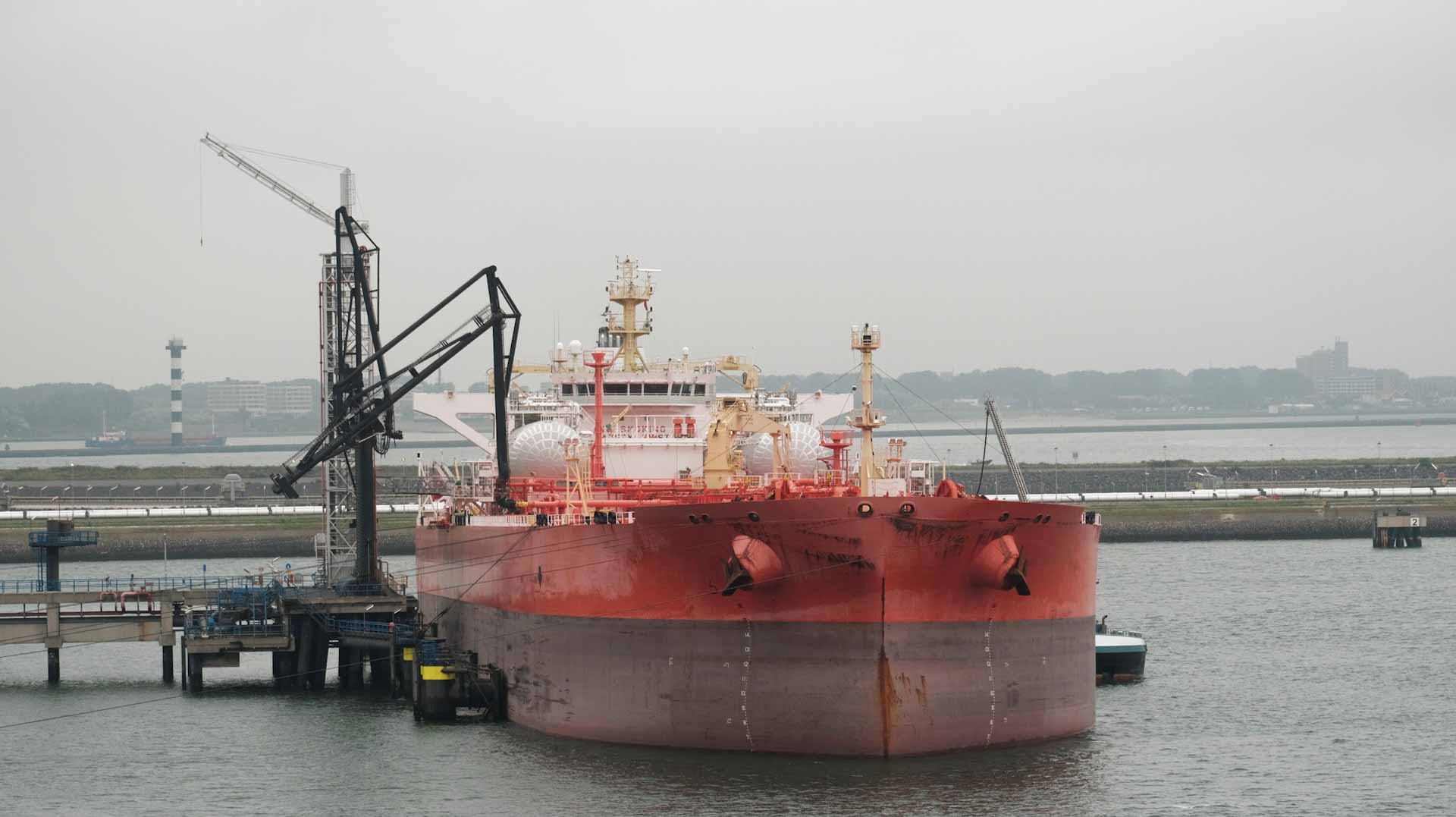
“Russia’s shadow fleet represents a dangerous new dimension of geopolitical competition, one that uses maritime ambiguity to quietly weaken adversaries.” Varun Venkatesh
The architecture of global power is undergoing a structural transformation. The traditional instruments of global and national power include diplomacy, information, military, and economic (DIME), sometimes expanded with additional instruments, such as finance, intelligence, law, culture, and cyber. While these instruments can be used in isolation, they are often coordinated to achieve strategic goals.
Each instrument is a set of different tools. The use of economic tools to influence behaviour or to project power is normally referred to as Geoeconomics and includes tools such as sanctions, trade agreements, industrial policies, and foreign aid. The geoeconomic toolkit is consequently a part of all states international relations and foreign policy. As these tools are deployed with growing frequency and precision, so too are the countermeasures designed to resist or bypass them, following the old dance of measures and countermeasures. However, in our modern societies, utilisation of these tools is not reserved for nations only. They can be employed also by non-state actors and multinational corporations.
Among the most disruptive of these emerging and expanding countermeasures against sanctions is the global shadow fleet, prior to the Russian invasion of Ukraine in 2022 mostly referred to as the dark fleet, which is a clandestine, loosely connected network of maritime vessels that operate in legal and regulatory grey zones. The global shadow fleet is often used to evade international sanctions, particularly in the oil trade. These vessels frequently change names and ownership, and sail under flags of convenience, such as Liberia or Panama. These vessels frequently manipulate or disable their Automatic Identification Systems (AIS) to avoid detection (sometimes only for a short period of time), and conduct covert transfers of goods, making them a strategic asset in evading sanctions and regulations. They are mainly used by sanctioned states and their trading partners. In addition to reducing the effects of sanctions, the poorly maintained vessels of the global shadow fleet constitute an environmental hazard and pose serious threats to maritime safety in general. (Financial Times, 2025; Brookings Institution, 2025a)
In global seaborne oil transportation, it is estimated that the global shadow fleet now constitute 18% of the total tonnage. It is estimated that there are now almost 1,000 tankers in the global shadow fleet, which is almost 50% more than a year ago (The Maritime Executive, 2025). The main source of ships to the shadow fleet is western companies selling to shell companies controlled by Russia (Brookings Institution, 2025b). This dramatic increase signals a new phase in economic competition, where influence is exerted not only through policy but also through an ever-increasing number of undetected ships, manoeuvring quietly across contested waters.
Unlike formal institutions or clearly defined organizations, the shadow fleet resists easy categorization. It is a fluid constellation of actors of ships, owners, and intermediaries whose operations blur the boundaries of legality and transparency. Their activities span a wide spectrum: transporting sanctioned oil and weapons, enabling illicit trade, and supporting covert geopolitical operations. What makes the shadow fleet strategically potent is its ambiguity. It operates in the grey zone between legal and illegal, visible and invisible, commercial and confrontational. This ambiguity allows states and non-state actors to pursue objectives that would be politically or diplomatically untenable through conventional means, making the shadow fleet a quiet but powerful force in today’s contested global order.
At its core, the shadow fleet performs a familiar function: it moves goods across oceans, just like any other commercial maritime operation. Transport is a critical factor in determining the landed cost of a product – the total expense incurred to deliver goods to its destination. This includes not only the base price for the item itself, but also shipping, insurance, taxes, and regulatory compliance. When any of these components rise in cost, trade becomes more expensive; when they fall, trade tends to flourish. A principle that has underpinned globalization for centuries.
What sets the shadow fleet apart is how it manipulates this cost structure. Operating outside conventional regulatory frameworks, these vessels bypass maintenance standards, avoid insurance requirements, as well as exploit legal loopholes. As a result, they offer transport services at artificially low rates, not through efficiency, but through strategic non-compliance. This is not simply cost-cutting; it is a deliberate recalibration of risk and reward. By lowering safety standards, the likelihood of accidents increases. By neglecting insurance, the potential consequences of an accident, environmental damage, legal fallout, and cleanup costs, are effectively outsourced to (forced upon) the authorities of whichever country is affected. In this way, the shadow fleet externalizes its risks, shifting the burden of its operations onto the international community while reaping the economic benefits of regulatory non-compliance. Naturally, this dynamic compels authorities in affected countries, concerned both about the environmental hazards and the financial costs of cleanup, to exert pressure on shadow fleet vessels and their owners. These efforts reflect a growing awareness that maritime ambiguity is not just a regulatory challenge, but a strategic threat with tangible consequences. (Brookings Institution, 2025c)
Sanctions have long served as a cornerstone of geoeconomics. It has presented states with an avenue to exert pressure without resorting to military force. The underlying logic is straightforward: by increasing the financial and logistical costs of participating in the global trade system or by limiting the access to certain lucrative markets, sanctions are intended to generate internal pressure within the targeted entity, be it a country, organization, or individual, to change its behaviour and comply. However, this logic is increasingly being undermined by the rise of shadow logistics networks, with the shadow fleet at their centre. These networks deliberately obscure the origin of cargo, the identity of end users, and compliance with international regulations.
At a conceptual level, the shadow logistics network is not a novel phenomenon. It is, in essence, a modern version of an ancient practice: smuggling. Born alongside trade itself, smuggling has always served a clear purpose to circumventing taxes, regulations, or restrictions to supply markets with goods that are either prohibited or heavily controlled and taxed. What distinguishes today’s shadow fleet is not its intent, but its scale and sophistication as well as its strategic relevance as a countermeasure against sanctions.
Russia’s response to Western sanctions following its 2022 invasion of Ukraine illustrates the evolving sophistication of shadow logistics. Rather than withdrawing from global energy markets, Moscow mobilized a shadow fleet of more than 400 oil tankers, many acquired through intermediaries and operating without Western insurance or oversight. These vessels routinely disable their AIS transponders, conduct ship-to-ship transfers in international waters, and obscure ownership through shell companies registered in permissive jurisdictions. In all, using all options in the grey zone of legality and regulatory compliance. This network enables Russia to bypass the G7-imposed $60-per-barrel price cap, as the vessels operate without formal ties to the Russian state, placing transactions beyond the reach of conventional enforcement mechanisms. The result is a system that continues to generate billions in revenue while posing significant environmental and geopolitical risks. (Brookings Institution, 2025d)
A way to counter the use of the shadow fleet is to impose secondary sanctions. Where normal sanctions, sometimes called primary sanctions, are aimed directly at a supposed violator, the secondary sanctions strike on third parties that engage with sanctioned entities. These sanctions aim to isolate the target by threatening others with economic consequences if they continue doing business with the sanctioned party. Unlike primary sanctions, which apply to a country’s own citizens and entities, secondary sanctions extend extraterritorially. Secondary sanctions are controversial because they can strain diplomatic relations and force neutral parties to choose between markets.
Following the Russian invasion of Ukraine, EU issued several sanctions aimed towards Russia. As a result, the direct trade between EU and Russia reduced dramatically. This was expected. In response to this, the export of the same or similar products to countries like Kyrgyzstan, Armenia, and Kazakhstan increased. The response to sanctions on trade was to add a new intermediary country, which is not under sanctions (European Commission, 2025). Furthermore, the oil trade flow between India and Russia has increased significantly following sanctions against oil export from Russia. In pure terms of landed cost, India has, in practice, received an oil import cost reduction due to sanctions at the level of 5% and 7%. This price discount has resulted in Russian oil import to India now accounts for 35 – 40% of its total crude oil imports, up from less than 2% before 2022 (Bloomberg, 2025a). The shadow fleet is the transport enabler for this change. USA has imposed secondary sanctions on India at the level of 50% because of this development. (Bloomberg, 2025b)
The attempt, by USA, to enforce secondary tariffs on countries for continuing to purchase Russian energy will probably lead to stronger incentives to increase the capabilities of the global shadow fleet. Moreover, intelligence reports have linked some of the vessels in the potential shadow fleet to espionage and sabotage operations in the Baltic Sea, suggesting that the fleet’s utility extends beyond commerce into the realm of covert operations (Financial Times, 2025). Iran’s use of shadow vessels to deliver fuel to Syria and Hezbollah, bypassing U.S. sanctions, is a clear example of how maritime ambiguity can reinforce regional influence while preserving plausible deniability (Brookings Institution, 2024). Similarly, The United Nations (United Nations, 2024) has repeatedly raised concerns about North Korea’s evasion of sanctions, including through illicit ship-to-ship transfers in international waters. These operations are part of a broader pattern of sanctions violations, including arms transfers and ballistic missile exports, and are designed to avoid direct confrontation while sustaining revenue streams.
What this reveals is a broader shift in the architecture of global trade: sanctions have not only disrupted existing systems, but they have also incentivized the construction of parallel ones. These alternatives span financial, logistical, and even institutional domains, enabling actors to operate beyond the reach of the rule-based international order. In this type of warfare, the shadow fleet is not merely a workaround; it is a strategic response to economic warfare, reflecting the growing sophistication of resistance in a fragmented global landscape. The shadow fleet’s power lies in two key attributes: legal ambiguity and logistical flexibility. These features make it an ideal vehicle for a wide spectrum of other illicit activities, aside from avoiding oil-related sanctions. These activities include arms trafficking, drug smuggling, human exploitation, and the extraction and transport of other illegally sourced resources. In effect, the fleet functions as a floating infrastructure for global grey-zone operations, where commerce, crime, and covert strategy coincide.
Again, there is nothing new with this development. During the Cold War, maritime smuggling evolved into a strategic tool used by both state and non-state actors to bypass embargoes, fund covert operations, and sustain proxy conflicts all over the world. East Germany, for example, became a key transit hub for narcotics smuggling into Western Europe, with intelligence reports suggesting high-level involvement in cocaine trafficking. In the Caribbean, smugglers used fishing boats, cargo ships, as well as small aircrafts to move drugs from Latin America to the U.S., often under the radar of naval patrols. North Korea and Cuba were also implicated in covert maritime transfers which included arms and sanctioned goods. These operations blurred the line between organized crime and geopolitical manoeuvring, enabling states to exert influence while maintaining plausible deniability. Though less technologically advanced than today’s shadow fleet, Cold War smuggling networks laid the groundwork for modern maritime evasion of rules and legislations. There are many references to Cold war smuggling, including the use of a shadow fleet function, in movies, tv-series, and books. This was long before the term shadow fleet came into use.
Both examples of the Cold War and contemporary wars demonstrate that the use of a shadow fleet function is not merely economic transactions; they are strategic manoeuvres. They allow states to sustain proxy networks and challenge adversarial pressure, all while avoiding the diplomatic costs of overt engagement. In this sense, the shadow fleet functions as a tool of asymmetric power, enabling states to operate below the threshold of conventional conflict. It is a maritime extension of hybrid warfare, where ambiguity becomes a weapon and logistics a battlefield.
Hybrid warfare, defined by its fusion of conventional force and unconventional tactics, has found a maritime dimension in the shadow fleet. Beyond its role in transporting goods, these vessels serve as grey zone platforms for both espionage and sabotage in contested waters. China’s deployment of grey-zone actors in the South China Sea, demonstrates how maritime ambiguity can be weaponized (Brookings Institution, 2025b). These operations do more than assert sovereignty; they challenge territorial claims and probe the limits of international law, often without provoking direct confrontation.
The deliberate use of legal and operational ambiguity creates strategic friction, forcing adversaries into a dilemma: respond and risk escalation, or tolerate and risk erosion of influence. This ambiguity is not a flaw in the system; it is the system. In this framework, the strategic objective is rarely decisive victory. Instead, it is incremental advantage, gained through persistent pressure with plausible deniability, that all together helps the reshaping of norms is a certain way. The shadow fleet, in this context, becomes a maritime instrument of hybrid warfare, advancing geopolitical aims in ways that are difficult to trace, harder to counter, and nearly impossible to deter. All while generating a profit to the controlling entity by supplying markets with products.
The global shadow fleet is not merely a logistical solution to a shipping problem, it must also be seen as a strategic instrument, calibrated for the complexities of hybrid warfare. Its rise signals a broader structural shift: the erosion of maritime transparency and the institutionalization of strategic ambiguity. In this context, the shadow fleet is not just a workaround, it is a geopolitical tool, increasingly embedded in the architecture of global conflict and economic coercion. The defining feature of the shadow fleet is the blurring of boundaries: between legal and illegal commerce, between civilian logistics and covert operations, and between economic necessity and strategic intent. The fleet’s ability to fulfil logistical tasks at an acceptable landed cost, while simultaneously enabling hybrid operations, makes it uniquely suited to the demands of a fragmented and contested global order. For policymakers and strategists, this demands closer scrutiny, not only of the fleet itself, but of the broader systems that allow it to thrive.
The rise of the global shadow fleet is not merely a consequence of regulatory gaps; it reflects a shifting global order. In a multipolar world, where power is distributed across diverse actors with competing interests, the enforcement of maritime norms becomes increasingly complex. The shadow fleet thrives on this ambiguity, exploiting the lack of unified oversight and the strategic hesitations of states unwilling to confront each other directly.
Addressing this challenge requires a shift from reactive sanctions to a more proactive, cooperative and adaptive framework for maritime resilience. In such a world, enforcement must be pluralistic. Regional powers like India, Brazil, South Africa, and ASEAN nations must be engaged, not only as stakeholders but as co-architects of maritime governance. Their involvement lends legitimacy and reaches enforcement efforts that might otherwise be dismissed as Western-centric.
Intelligence-sharing must also evolve. In a multipolar world, interoperability becomes essential. Shared platforms for tracking vessel movements, ownership structures, and suspicious transfers of ownership and nationality can bridge geopolitical divides and foster trust, even among states with divergent strategic interests. Legal instruments must be flexible enough to accommodate this complexity. International maritime law should be updated to support joint investigations, dynamic flag-state accountability, and adaptive insurance regulations that reflect the realities of global shipping networks.
Diplomacy, too, must be recalibrated. Strategic maritime diplomacy can align incentives across spheres of influence. By offering economic and technological support to countries vulnerable to shadow fleet operations, the international community can encourage both increased transparency and compliance with global norms.
Ultimately, the challenge is not just to contain the shadow fleet, but to reshape the maritime domain so that transparency, accountability, and strategic stability become shared priorities, even among rivals. In this context, the shadow fleet is not only a threat but a catalyst: it forces a rethinking of how global trade, security, and sovereignty intersect on the high seas.