

“This war with Iran should never have been started with no allies, no global legitimacy, no Plan B and no understanding of Iran’s internal dynamics. But how it ends is extremely important, because it will impact the dynamics of every country in the region – and the aftershocks will be felt globally” (Thomas Friedman, NYT, Nov 15, 2026).
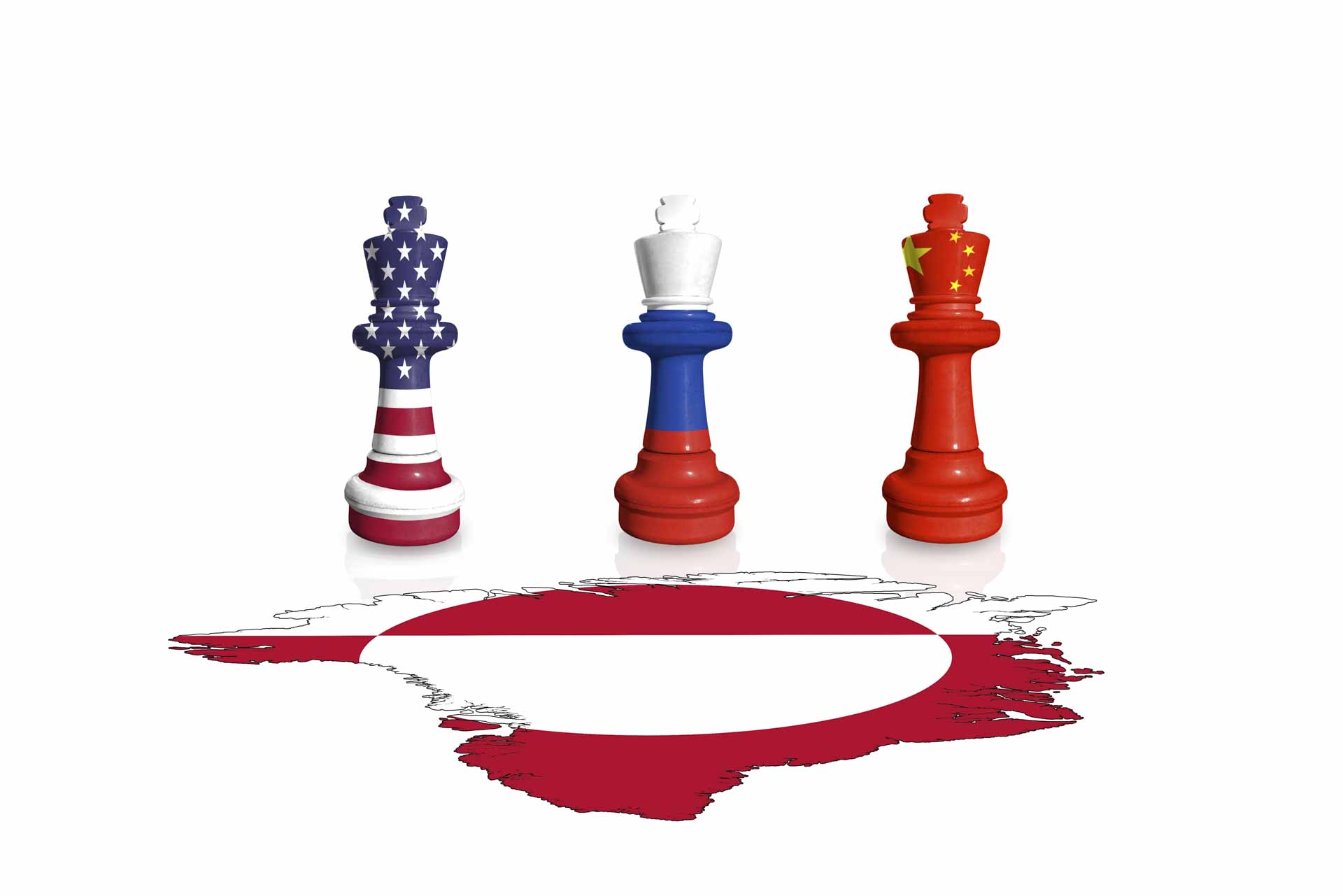
These lines are written the day before the unique “superpower” trilateral (US, China, Russia) in Shenzhen, China, on the sidelines of the China-hosted APEC summit. At the time of writing, it remained unclear which would be the topics of the trilateral agenda, given the widely diverging national interests involved, but pre-summit expectations concerning possible concrete results were low. The common denominator and the joint interest seemed to be the manifestation of aspiring super power hegemony in an emerging new global order, but with two of the three, Trump and Putin, being stuck in their protracted wars of choice. The question before the trilateral summit, then, was and remains to what extent this new format, in spite of the diverging interests, will be followed up in terms of permanence, of future relevance to the solution (if that is the right word) of Putin’s war with Ukraine and Trump’s war with Iran.
Donald Trump enters into this new format in global affairs as the quasi-hegemonic US leader who has recently suffered a devastating defeat in the US midterms, who will therefore look forward to a status of lame duck domestically for the remainder of this year and for the remainder of his mandate until 2028, and who will therefore henceforth seek to and have to combine constitutionally guaranteed maneuverability in foreign affairs with a gradual weakening of perceived international leverage.
Hence the indicative importance of how, henceforth, he will handle the implications and consequences of his – so far – biggest single foreign policy mistake, his war of choice, arm-in-arm with Netanyahu-led Israel, with Iran. The following is an account of what “handle” involves, immediately and in the post January 3 (blue Congress majority in place) perspective, i.e., both aspects of timing and substance, including the issue of urgency. The Friedman quote above is a reminder of Trump’s dilemma, but he should have mentioned Israel when writing “no allies”, even though everyone understands what he means.
The question of urgency first. How urgent is it for team Trump to seek to impose a “solution” to his Iran war dilemma, or quagmire, in the near-term, while he can still rely on the outgoing but still comparatively obedient GOP majority in the two Congress chambers? Recent statements by Trump, Vance and Rubio reveal some degree of hesitancy and ambivalence here, these statements seemingly aimed at preparing an increasingly skeptical and impatient audience for one out of several difficult options, to “cut and run” with or without maintaining the current economic squeeze, for the time being, based on the argument that the economic squeeze is enough to enforce Iranian surrender and that maintaining the level om military force readiness is both too costly and meaningless, or unnecessary. And that while the Iranian surrender may take some time under the economic hardship imposed, that surrender will also “solve” the other casus belli issues, the nuclear issue and the missile threat issue, gradually reducing the lingering missile and drone retaliation threat to Iran’s Gulf and region neighbors, including Israel.
But given the well-known unpredictability of the Trump regime, or Trump himself, there are many question marks pertaining to this scenario, including Gulf state anxiety, Netanyahu impatience in his post-election disarray, and non-acceptance by the Iranian side. Plus, perhaps most importantly, the way this scenario, or “solution”, would risk depriving Trump of any near-term opportunity to credibly declare “victory”. For in this scenario, it would be difficult, or more, to credibly and in relevant time declare “I have prevailed” on the two major aims, “Hormuz is open” and Iran “will never acquire a nuclear weapon”. So, in view of these and other complications, whereas “kick the can down the alley” could be seen as easiest and therefore most likely option, the downsides are many and varied.
This would leave Trump with two other options, should he feel that after the blue tsunami midterms and in time before that tsunami enters into effect in Congress to the detriment of Trump’s narrative and legacy he definitely needs a final countdown or showdown over the Iran war of choice: renewed strategic attack, with or without Israel (where Bibi is in need of dramatization as a means to avoid final defeat to the Eisenkot-led opposition, with the hope of enforcing Iranian regime surrender – but with costly risks involved, or go for a negotiated settlement, in spite of all difficulties involved. Perhaps, in spite of everything, a compromise based on the mutually agreed compromise in the June 17 Memorandum of Understanding.
But here one must remind that tango takes two. And recent developments have indeed reminded that Iran has retained and/or rebuilt a considerable ballistic and cruise missile and drone (retaliatory) capacity, enhancing both deterrence and resilience, and has demonstrated recent readiness to counter the emerging starvation threat with a range of offensive measures that carry the risk of escalation. Exemplifying this, media are now reporting attacks on Bahreini military installations, tankers hitting mines and rumors on Iranian attacks both on Europe and the US homeland (a “dirty” bomb (!).. This in turn has made Israel’s Netanyahu actively seek to persuade the US – and his own military leadership – that there is a renewed Iranian threat that calls for immediate action – in conjunction with Houthi advances in Yemen towards the Bab al-Mandab strait into the Red Sea.
The clock, then, is ticking. Pending the outcome of the Shenzhen trilateral super-summit and what it may tell about trends in the global order, or disorder, and possible implication for both Trump’s and Putin’s war of choice, we may observe that as a result of Trump’s choice (among other things) the entire Middle East has become severely fractured, a humpty-bumpty of sorts where the issue of future US-Israeli relations is one in which the jury is still out.
Basic stability in the region – and beyond – depends on how a domestically cornered Trump handles his self-inflicted dilemma: war, but how and at what risk and cost, or peace, but how and at what risk and cost? If kicking the can has a, or the, time limit demanding urgency.